ESG – Sustainability

ESG – Sustainability

Course Overview

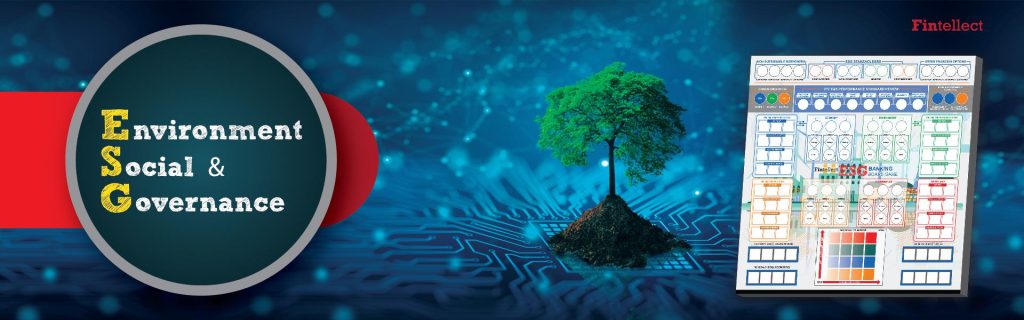
Sustainability is key business challenge today and in days to come. Businesses are struggling in understanding real implication of sustainability concept and standards relevant to their business model. How standards can be translated into Sustainability policy design, policy can be transformed into actionable tasks, who are real sustainability stakeholders, their nature and extent of engagement and how sustainability performance can be measured and reported to stakeholders to create a competitive advantage.

This training provides an insight, roadmap, actionable tasks for developing reporting structure in coporate sector focusing specific business challenges like management and reduction in Carbon emission CO2 ,Greenhouse Gases, power, water, waste management in accordance with local and international standards like Global Reporting Initiative (GRI) United Nations Sustainability Development Goals (SDG) & IFRs Sustainability Reporting. The training will empower participants to take deep understanding of sustainability concept to design & develop policy & roadmap in areas of environment, social and governance (ESG).


Course Overview

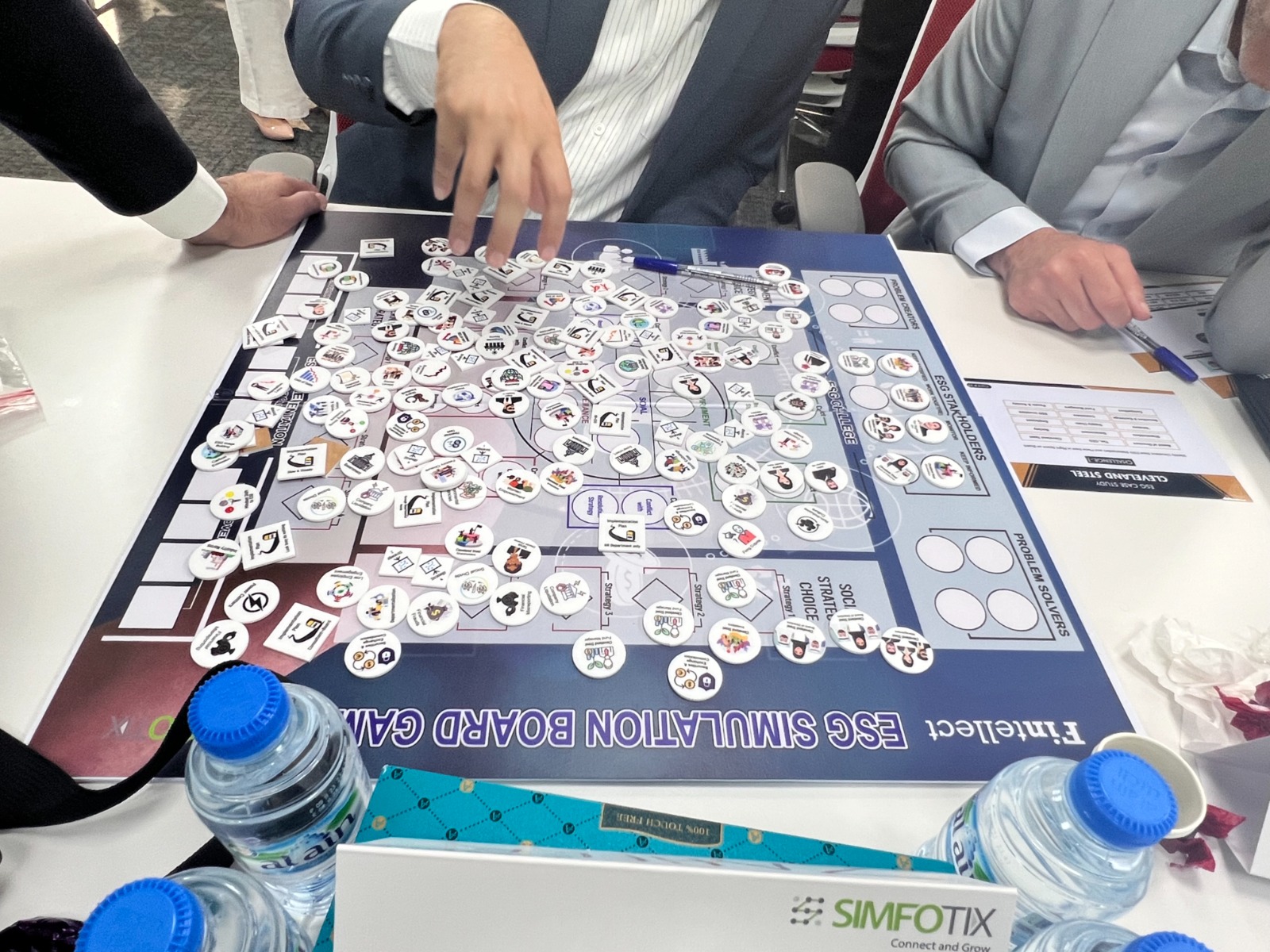
Gaminfication Tools

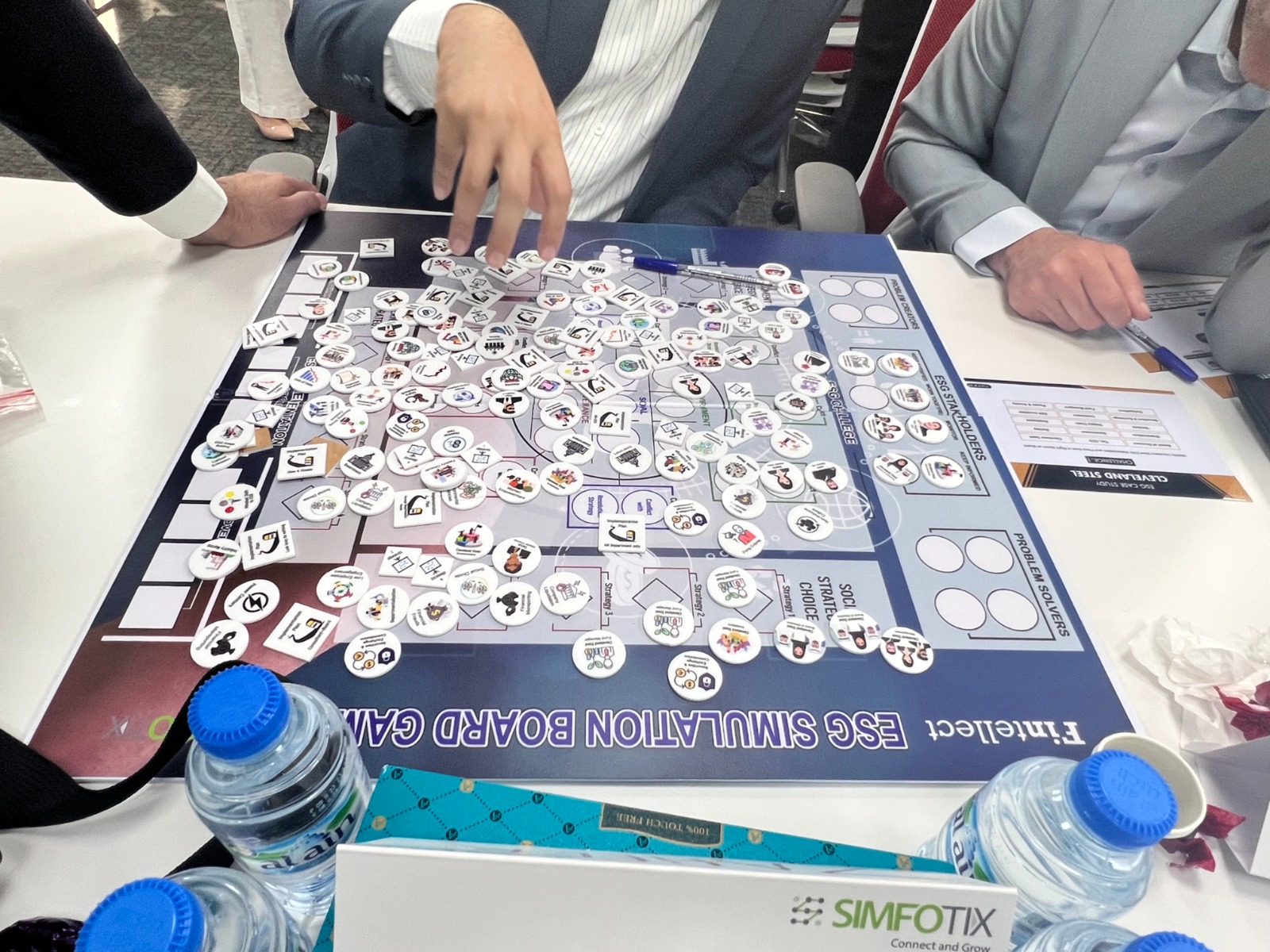
Board Game

Jigsaw

Card Game

Simulation

LEGO®

Our Clients

testimonials

Explore the Progarm

Course Overview

Understand Sustainability:

  • What is Sustainability for Businesses – Evolution, DNA & Lifecycle
  • Sustainability Global Perspective – Climate Agreements & Global Standards & Legislation
  • Sustainability Across the globe – International Agencies, Government & Corporate efforts
  • Sustainability – Competitive advantage, Investments & Ratings, Reporting Framework

ESG Standards & Legislations:

  • Global Reporting Initiative – GRI Standards S 100–400 Series
  • Sustainable Development Goals (SDG) – Corporate Accountability Mechanism
  • International Financial Reporting Standards (IFRS) – S1 & S2 Sustainability Reporting
  • United Nations Global Compact – ESG Leadership Goals & Compliance

ESG Sustainability Challenges – Environmental Challenges

  • Understand – Greenhouse Gases, CO2 Net Zero Targets etc. & its Impact
  • Carbon Emission Challenge – Corporate Scope 1, Scope 2, Scope 3 Levels
  • Waste Management, Water Contamination/Conservation, Deforestation
  • Energy Conservation, Renewable Energy, Electric Vehicle, Digitalization

ESG Corporate Sustainability Challenges – Social Challenges

  • Stakeholders: Engagement, Communication, Inclusion & Reporting
  • Employees: D&I, Engagement, Retention, Equity, Pay, Healthcare
  • Society: Financial Inclusion, Employment, Education, Indigenous Communities
  • Vendors & Supply Chain: ESG Sensitivity, Initiative, Compliance & Reporting

ESG Corporate Sustainability Challenges – Governance Challenges

  • Board & Leadership: Minority Representation, Sustainability Advocacy & Strategic Efforts
  • Initiatives: Sustainability Risk Assessment & Planning, Sustainability Policy Design & Roadmap
  • Governance Structure: ESG Committee, Efforts & Outcome, Commitments
  • Transparency: Risk Identification & Reporting, Stakeholders Engagement, Disclosure

ESG Global Reporting Initiative (GRI) Standards:

  • GRI 100 Series: Universal Standards – Business Related ESG Implications
  • GRI 200 Series: Economic – Impact on Stakeholders, Local/International Impact
  • GRI 300 Series: Environment – Land, Air, Water, Ecosystem
  • GRI 400 Series: Social – Society, Employee, Customers, Vendors, Supply Chain etc.

ESG Policy Design & Implementation:

  • Risk Assessment: Scope, Methodology, Data, Source, Benchmarking
  • Policy Highlights: Stakeholders, Key Issues, Financial Measurement, Risk Mitigation
  • Commitments: Advocacy, Financial Commitments, Societal & Employee Empowerment
  • Reporting: IFRS Scope 1, 2 & 3 Disclosure, GRI Standards, SDG Compliance, UNGC Goals

Learning Outcome

By the end of training, participants will be able to:

  • Understand ESG importance & implication on relevant business sector
  • Learn key ESG standards i.e. GRI Standards, SDG, IFRS, UNGC & their implication
  • Identify key sustainability risks associated with company based on its nature & business model
  • Engage key stakeholders including investors, society, employees & vendors/supply chain
  • Evaluate industry/business sector sustainability efficiency & effectiveness of sustainability efforts in conjunction with global standards & initiatives
  • Quantify sustainability in both quantitative & qualitative terms and its impact on business & stakeholders
  • Report sustainability efforts in compliance with International Financial Reporting Standards (IFRS) Scope 1, 2 & 3

Who Should Attend:

  • ESG Sustainability Team
  • Senior Management
  • Line Managers
  • Compliance Department
  • HR Team
  • Operation Managers
  • Procurement Team
  • Sales & Marketing Team

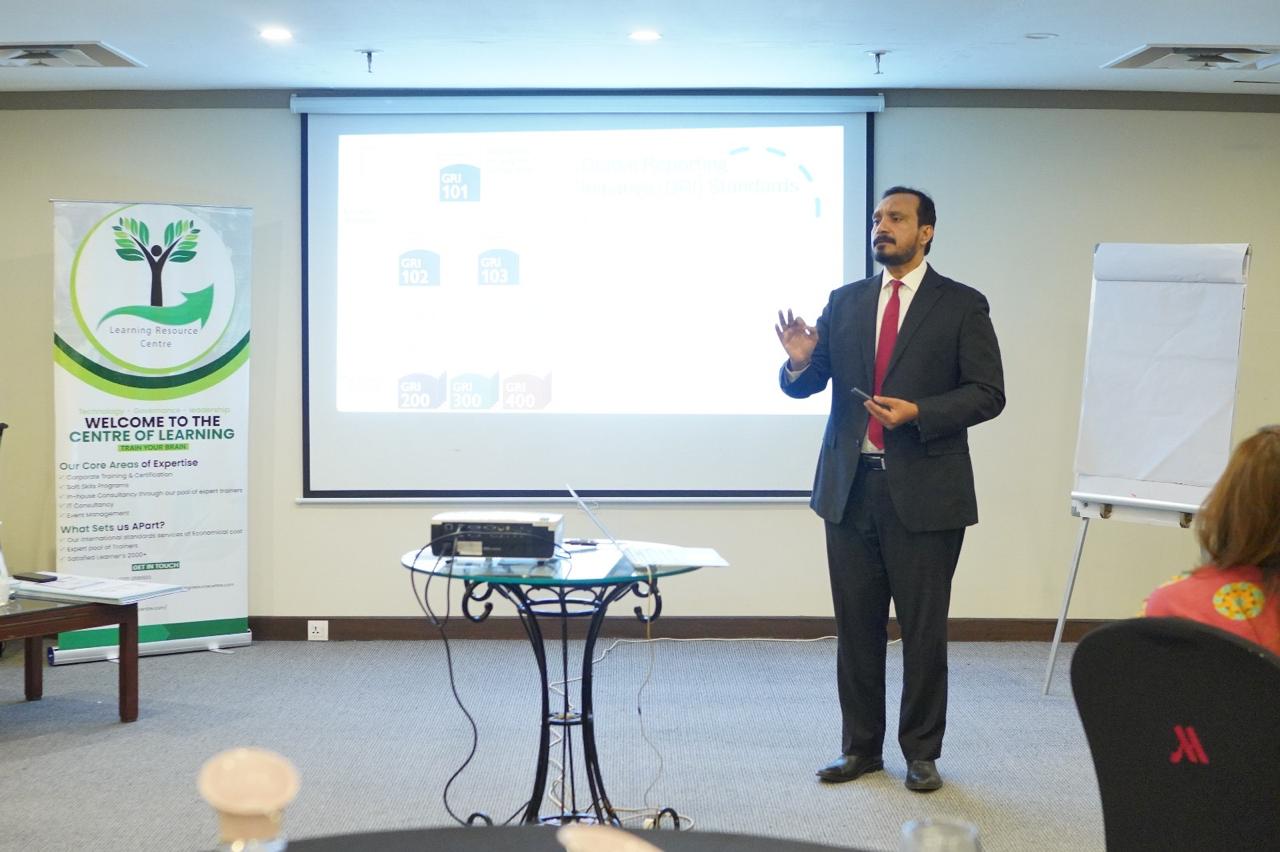
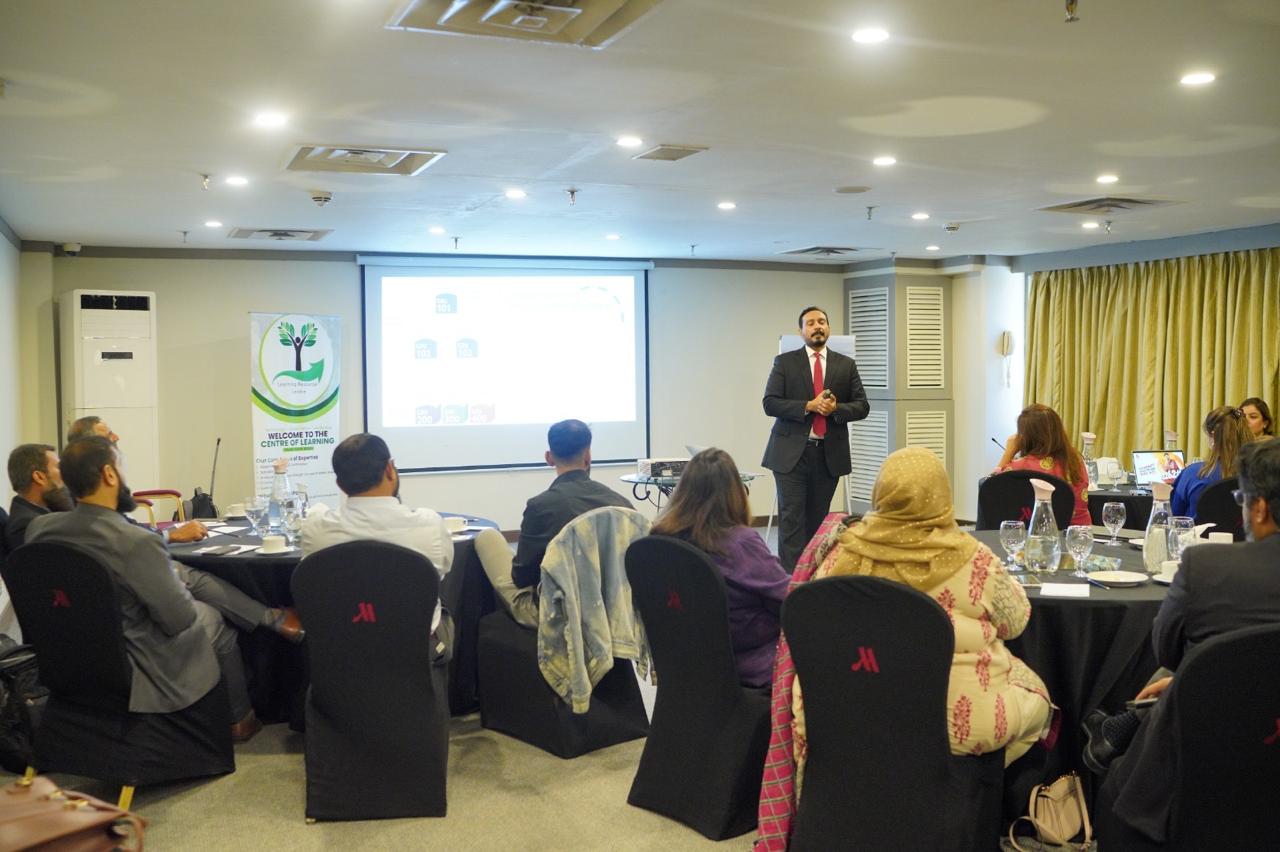
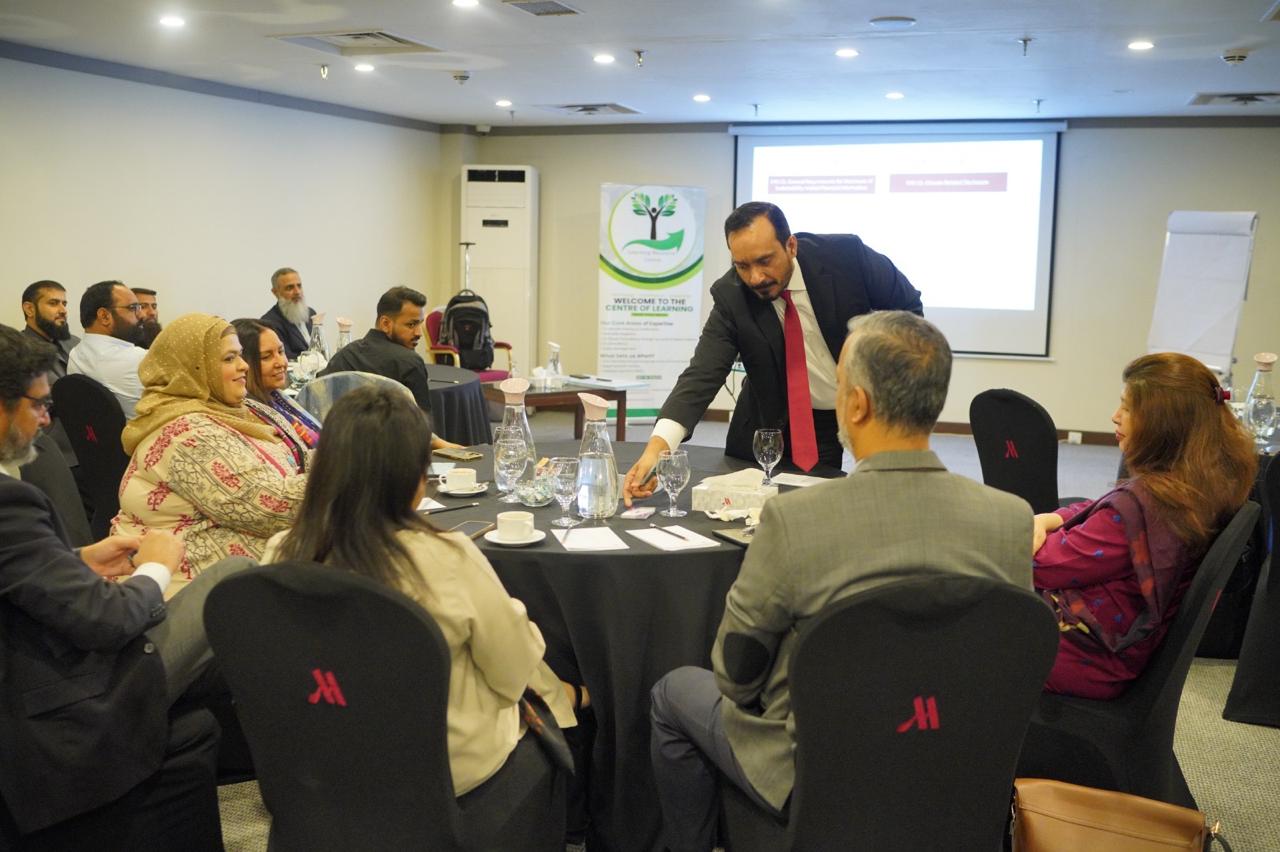
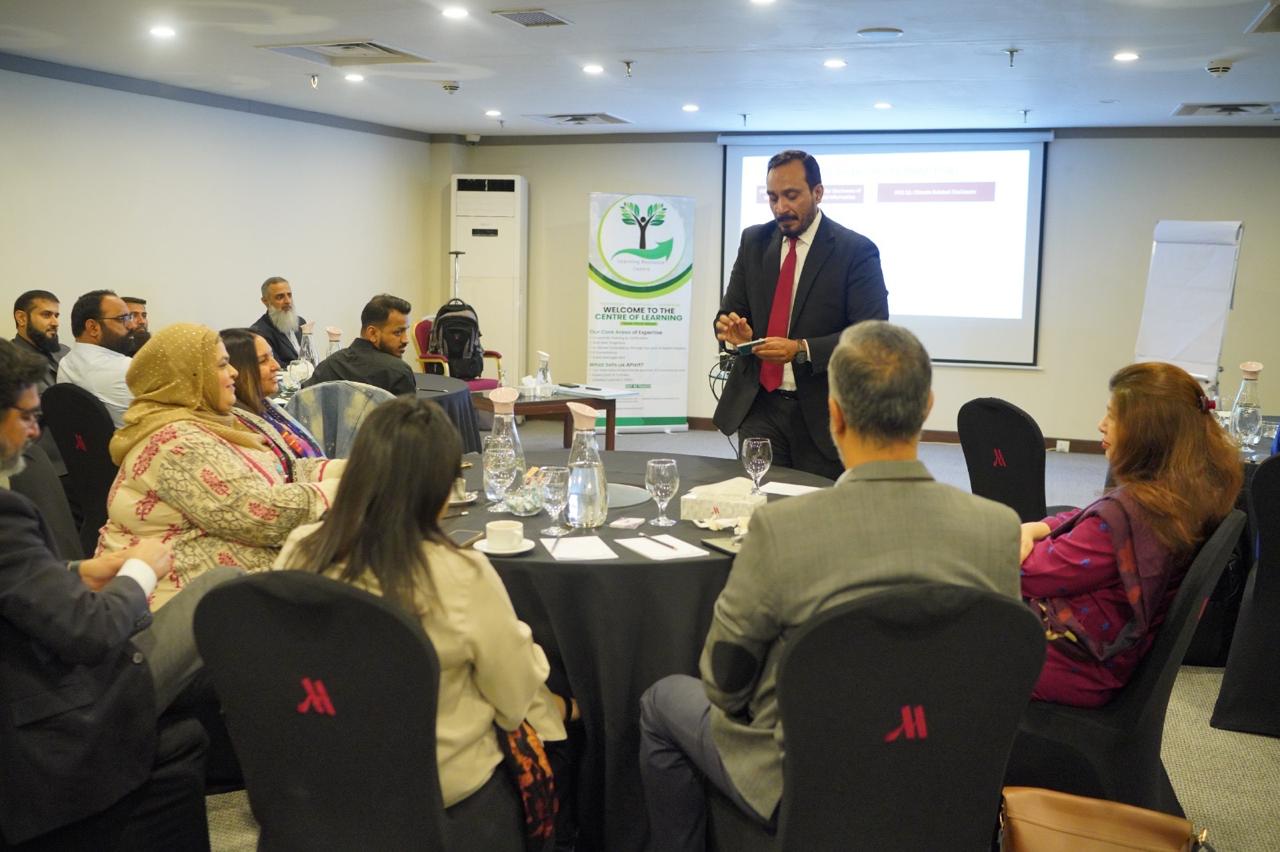
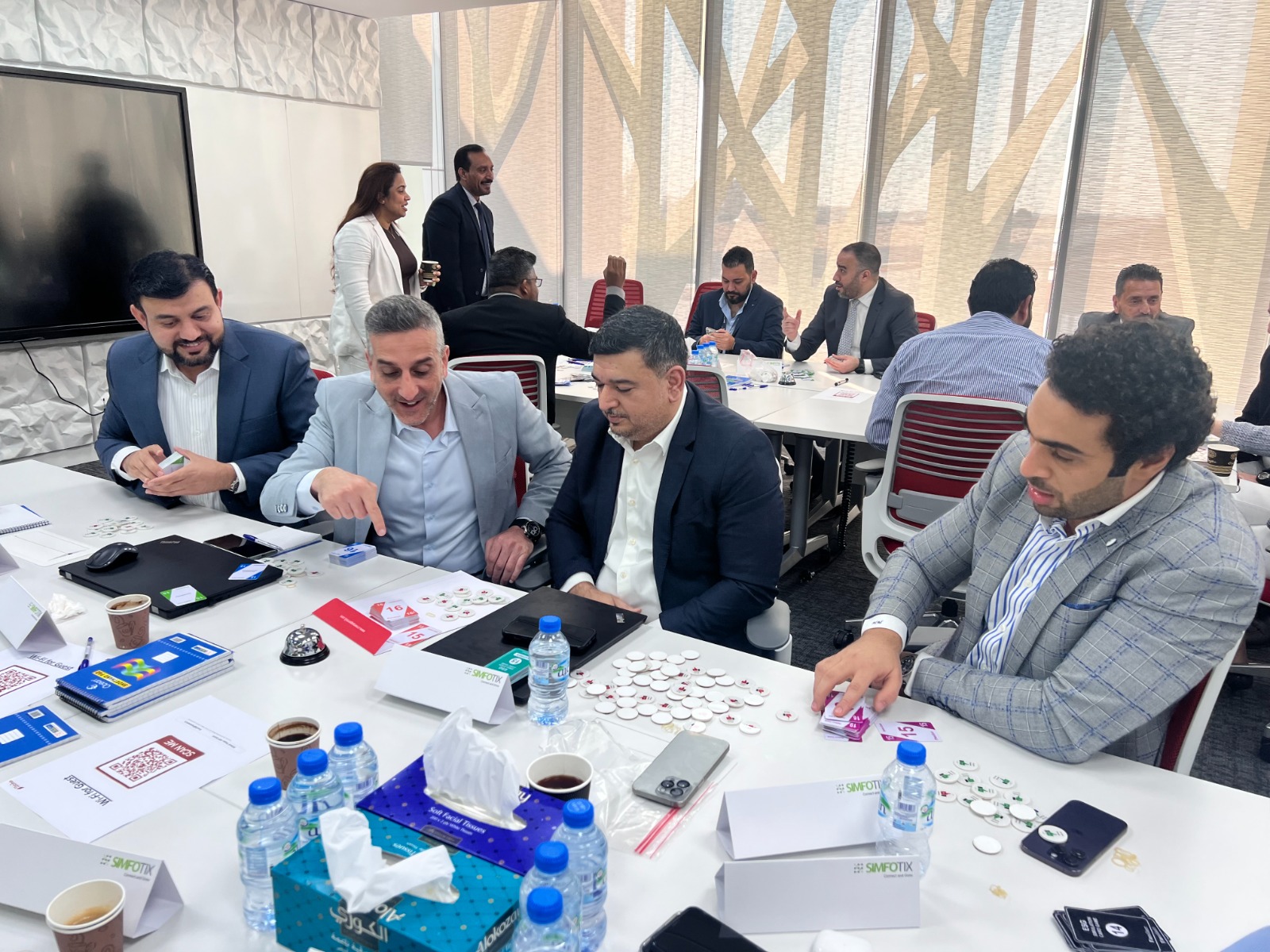
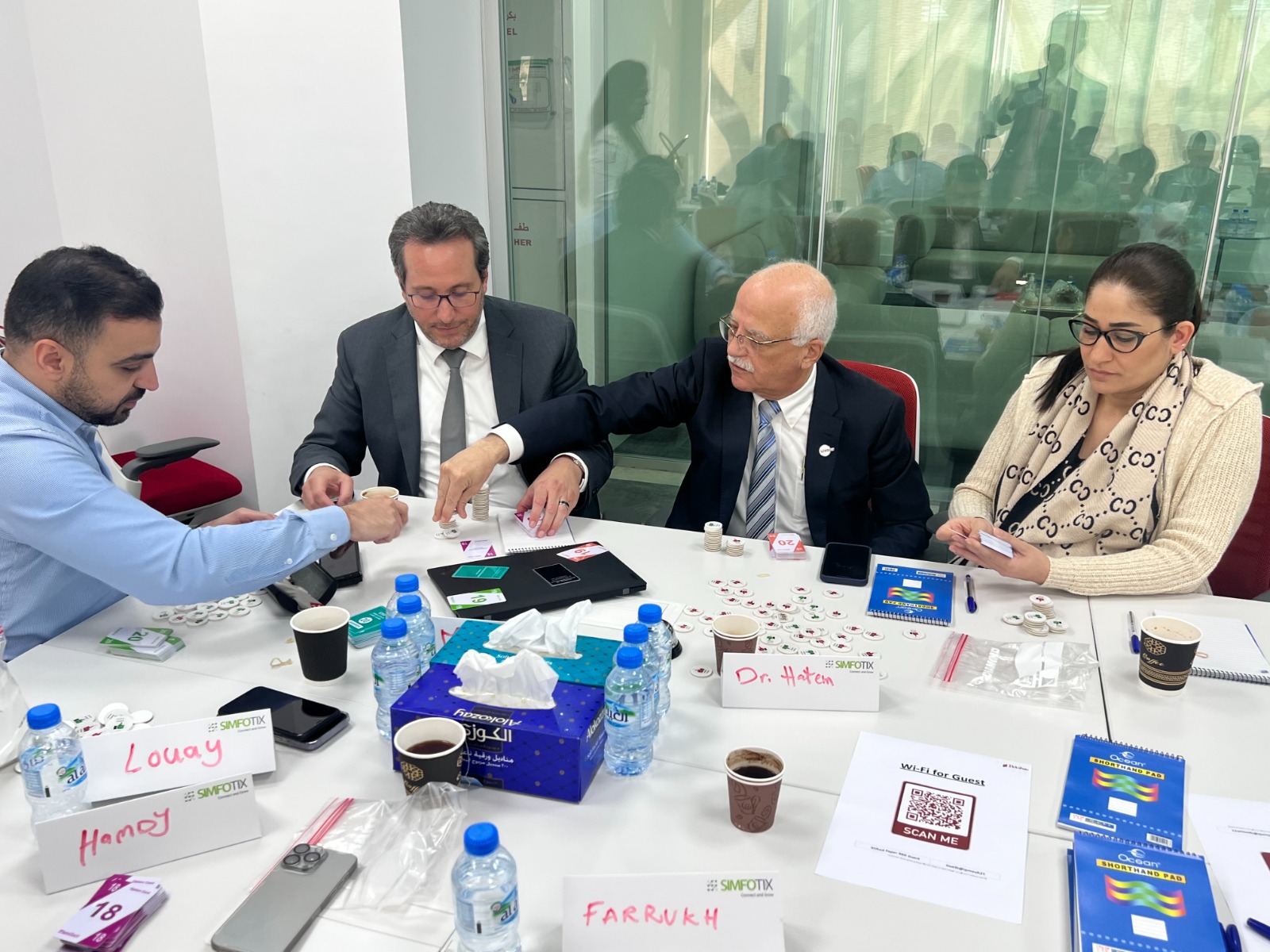
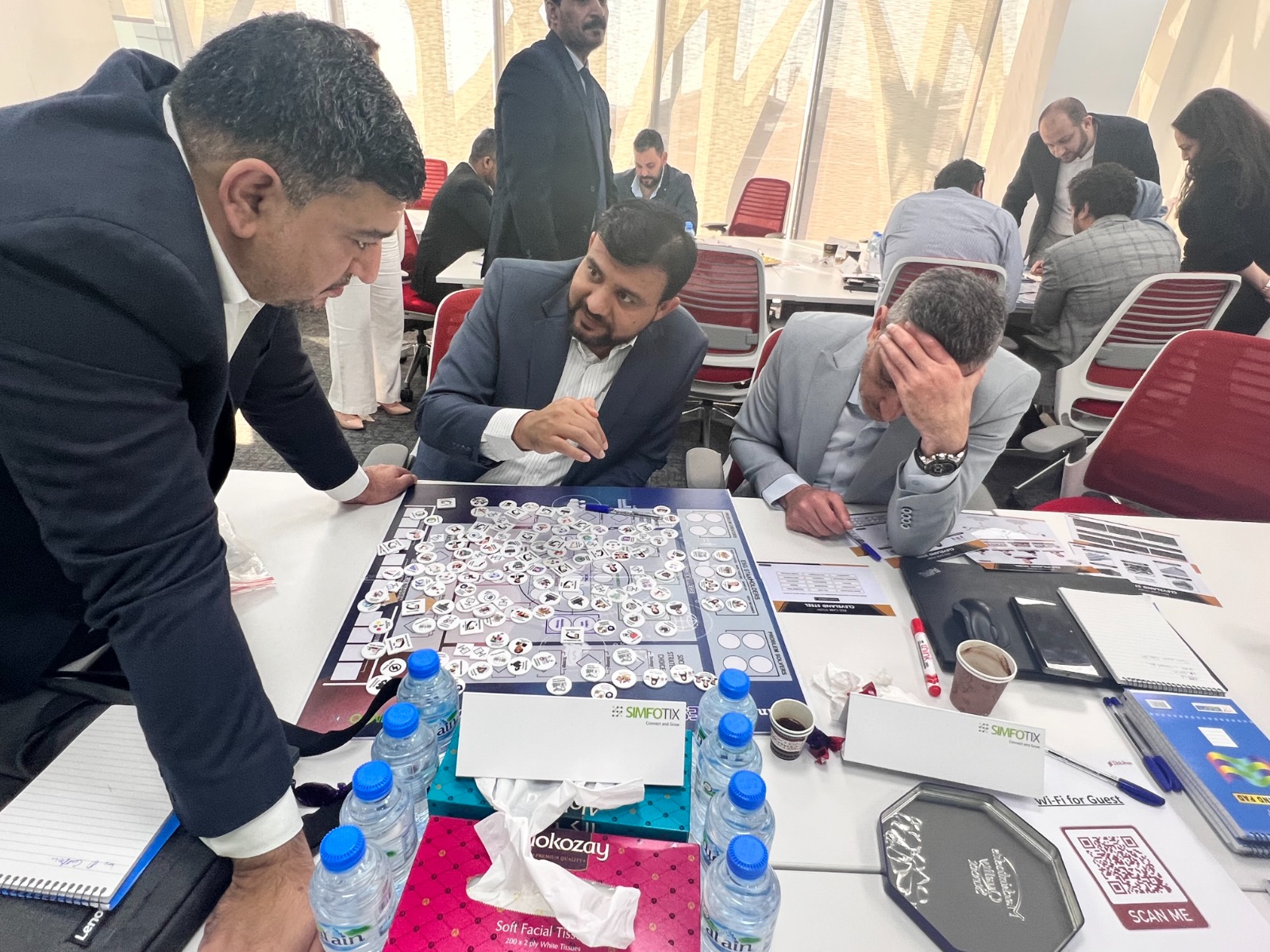
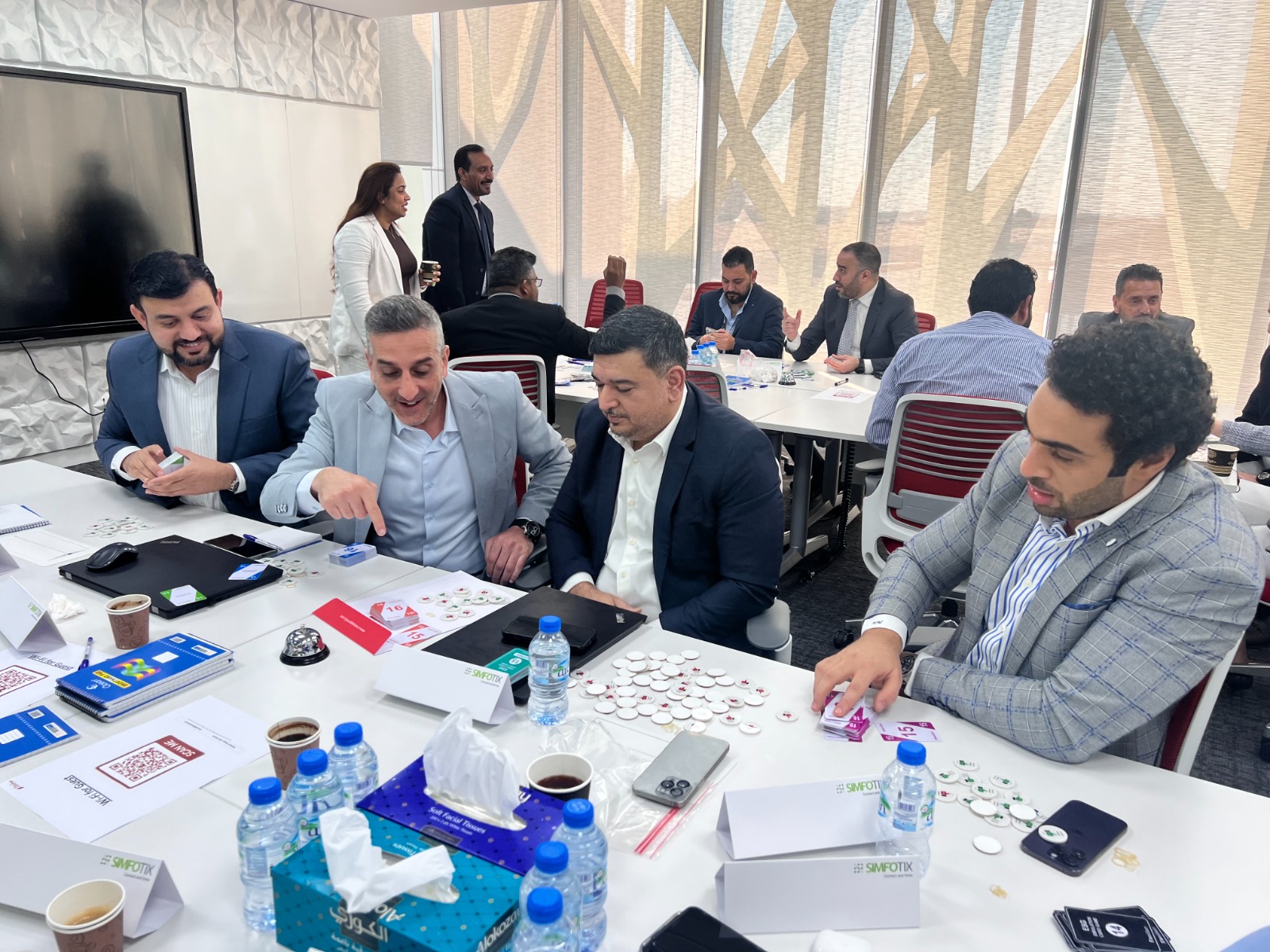
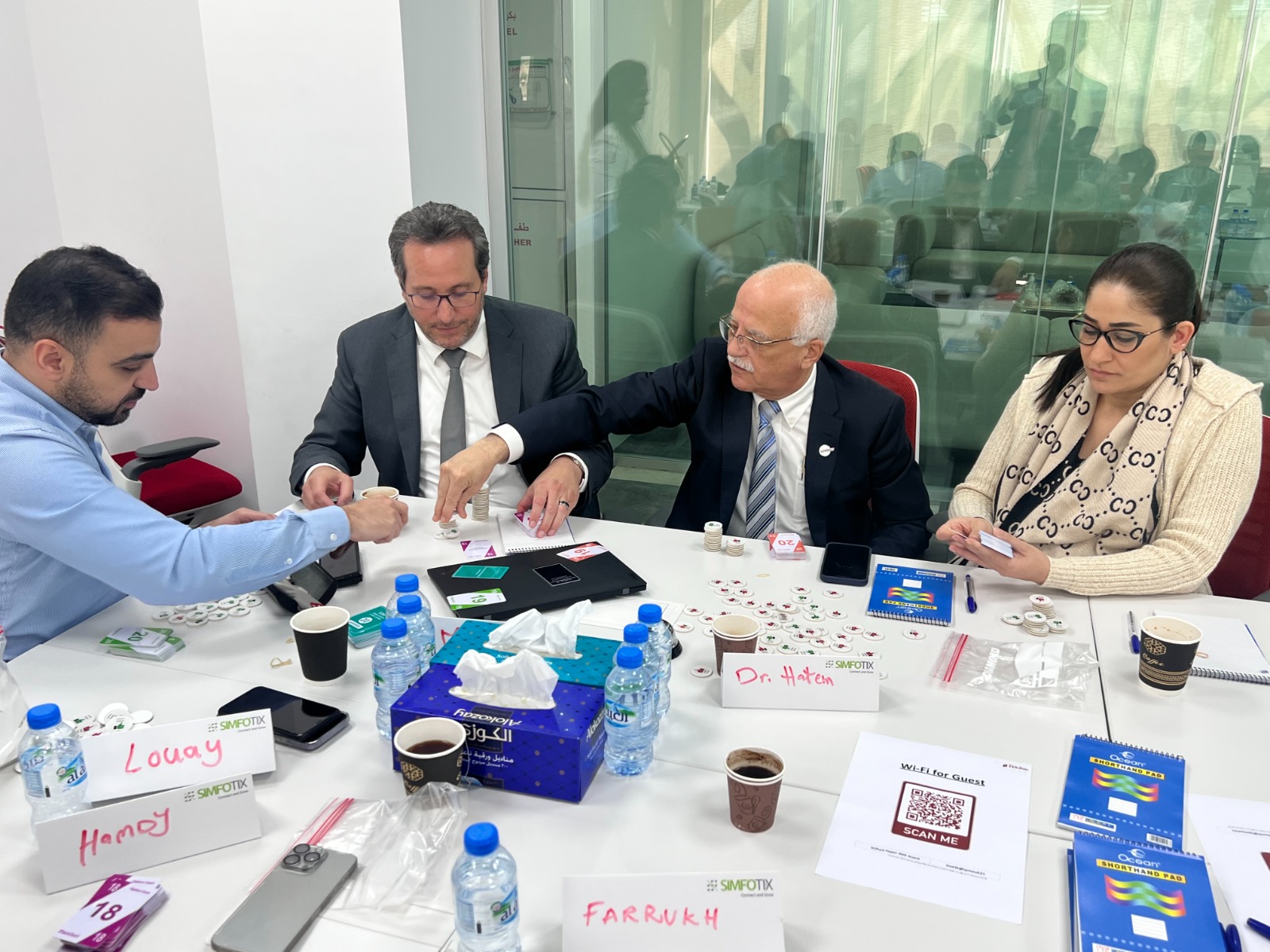
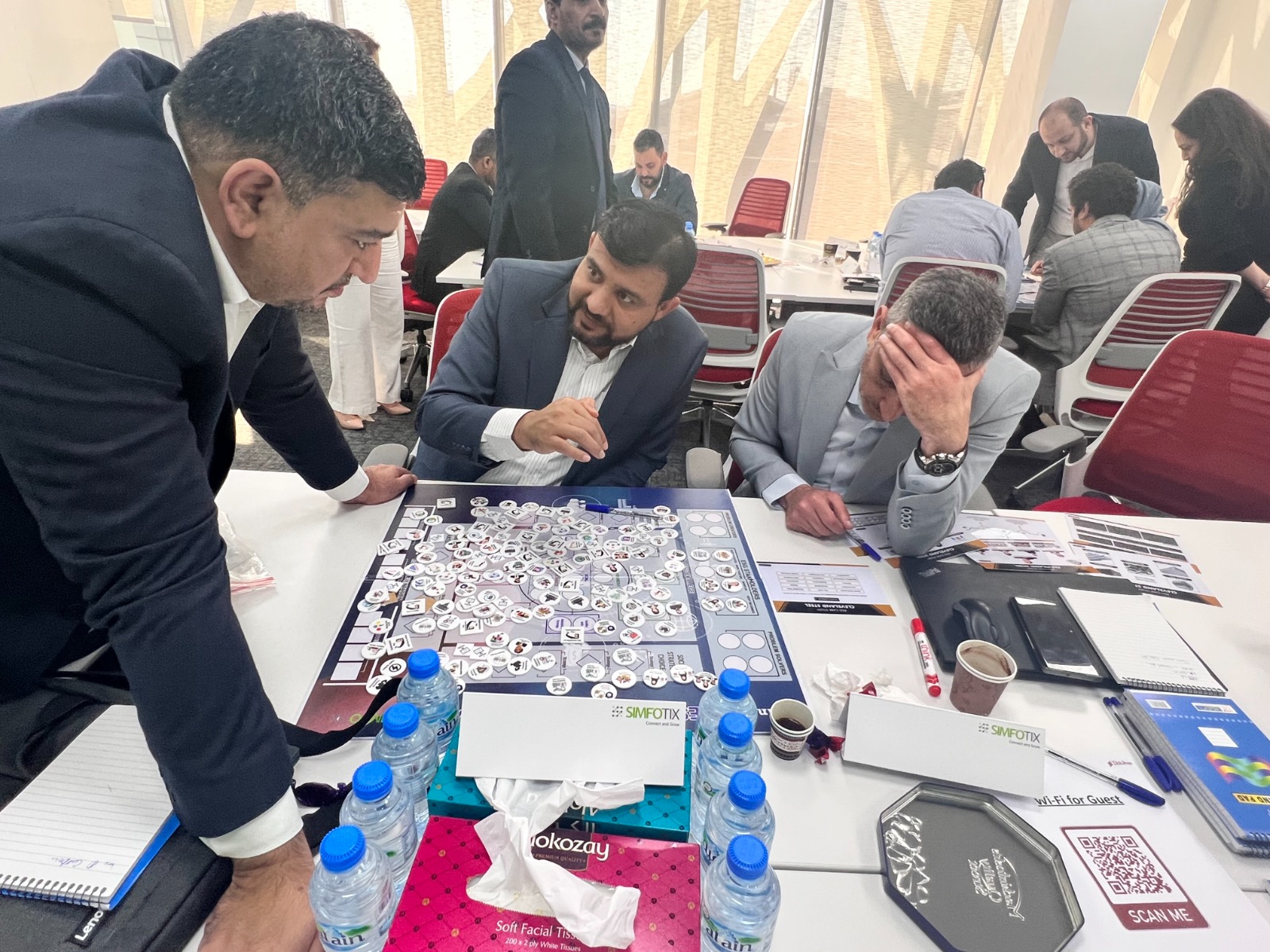
Progarm Gallery

Explore Our Training Formats

Online Live

Virtual instructor-led training Contact us for pricing

Face-to-face

Engage directly with expert trainers in a classroom setting.

In-house

For 4+ delegates
We recommend in-house